

In a world where climate change feels like that annoying relative who just won’t leave, green technology swoops in like a superhero with a cape made of recycled materials. It’s not just about saving the planet; it’s about embracing innovation that makes life easier and a whole lot greener. From solar panels that soak up the sun to wind turbines dancing in the breeze, this tech is here to save the day—and maybe even your electricity bill.
Imagine a future where your gadgets are as eco-friendly as they are high-tech. Green technology isn’t just a trend; it’s a revolution. It’s time to swap out fossil fuels for renewable energy sources that won’t leave you feeling guilty every time you flip a switch. Join the movement and discover how green tech can transform not only the environment but also the way we live, work, and play.
Overview of Green Technology
Green technology encompasses a broad range of practices, products, and innovations designed to reduce environmental impact. Renewable energy sources lead this initiative, with solar power, wind power, and hydroelectric power as prominent examples. Each energy source plays a crucial role in decreasing reliance on fossil fuels.
Energy efficiency technologies include smart grids and energy-efficient appliances. Smart grids allow for better energy distribution, reducing waste and enhancing reliability. Energy-efficient appliances consume less power, resulting in lower energy bills and reduced carbon footprints.
Waste management systems also significantly contribute to green technology. Recycling programs and composting methods round out strategies aimed at diverting waste from landfills. These systems not only protect natural resources but also promote a circular economy.
Transportation solutions under green technology focus on electric and hybrid vehicles. These vehicles produce fewer emissions compared to traditional combustion engines. Furthermore, advancements in public transportation systems, such as electric buses and trains, encourage sustainable commuting options.
Innovations in agriculture demonstrate the application of green technology as well. Organic farming and precision agriculture utilize methods that minimize chemical use while maximizing yields. Utilizing these practices fosters healthier ecosystems and enhances food security.
Government policies have started prioritizing the adoption of green technology. Investments in renewable energy infrastructure and incentives for businesses delivering sustainable products increase momentum for change. Communities also play an essential role; grassroots movements and local initiatives support wider acceptance and application.
Collectively, these elements illustrate that green technology represents a fundamental shift toward a sustainable future. Emphasizing innovation and efficiency, they pave the way for reducing ecological footprints while enhancing quality of life.
Types of Green Technology
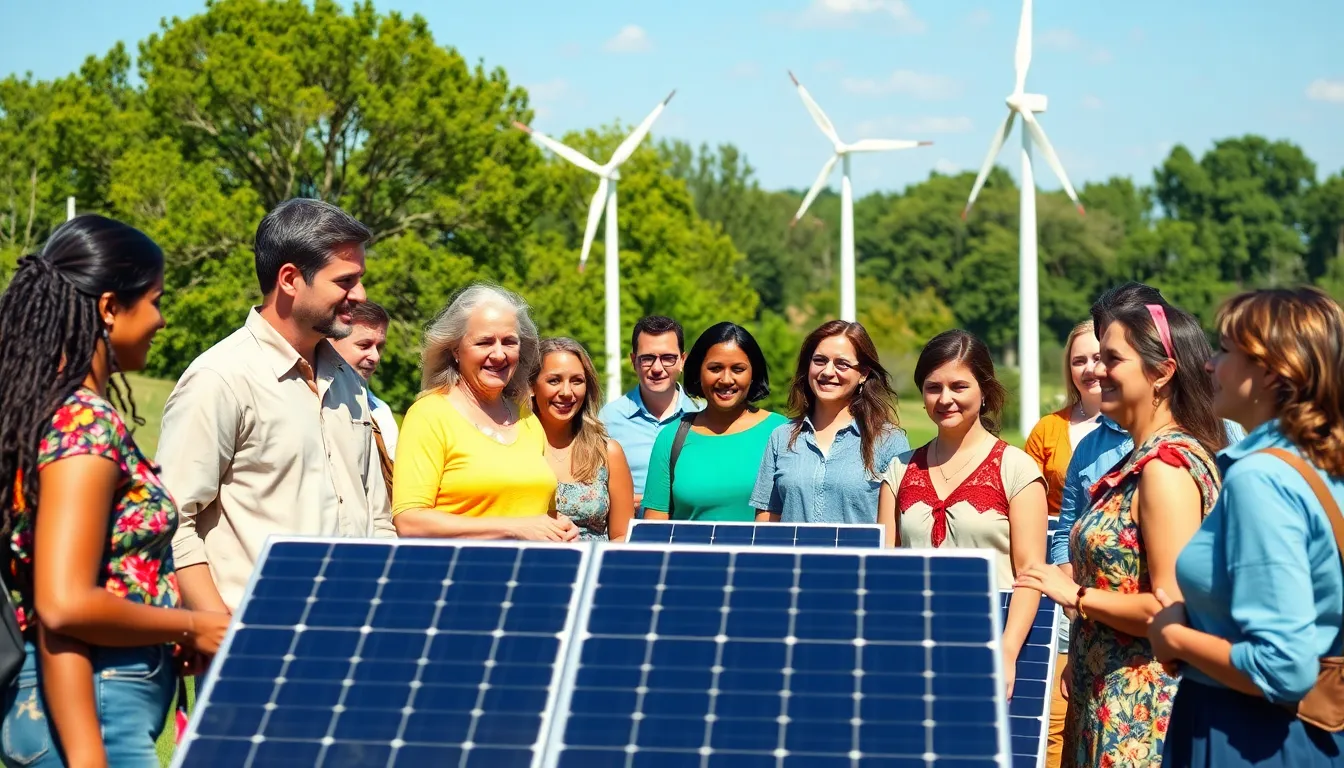
Green technology encompasses various innovative solutions that significantly impact environmental sustainability. These solutions promote renewable energy, energy efficiency, and sustainable practices.
Renewable Energy Sources
Solar energy harnesses sunlight through photovoltaic cells. Wind power captures energy from wind movement via turbines. Hydroelectric systems convert flowing water into electricity, utilizing water’s kinetic energy. Geothermal energy draws heat from beneath the Earth’s surface for heating and electricity generation. Biomass energy derives from organic materials, providing an alternative to fossil fuels. These renewable sources decrease dependence on non-renewable resources, supporting a cleaner energy landscape.
Energy Efficiency Solutions
Smart grids optimize electricity distribution and use advanced technology for real-time management. Energy-efficient appliances, such as LED lighting and Energy Star-rated products, consume less power while delivering the same performance. Building insulation and energy management systems minimize heat loss and improve comfort. Additionally, automated controls for heating and cooling systems enhance efficiency, reducing energy consumption. These energy efficiency solutions contribute to lowering overall energy demand while promoting sustainable living practices.
Benefits of Green Technology
Green technology offers numerous benefits, improving both the environment and the economy. Its focus on renewable resources leads to significant changes in various sectors.
Environmental Impact
Green technology plays a crucial role in reducing carbon emissions and minimizing pollution. Renewable energy sources such as solar and wind power drastically cut reliance on fossil fuels. Nature benefits through improved air and water quality, which contributes to healthier ecosystems. Waste management systems promote recycling, leading to fewer landfills and reduced strain on natural resources. Energy efficiency advancements decrease energy consumption, thereby lowering greenhouse gas emissions. Adopting sustainable agricultural practices bolsters biodiversity and protects soil health, ensuring food security for future generations.
Economic Advantages
Green technology stimulates economic growth by fostering innovation and job creation. Investments in renewable energy projects can create thousands of jobs in sectors like manufacturing and installation. Cost savings emerge from reduced energy bills due to energy-efficient appliances and smart grid technologies. Businesses that adopt eco-friendly practices often attract environmentally conscious consumers, enhancing their market competitiveness. Additionally, governments implementing incentives and subsidies assist companies in transitioning to sustainable operations. Long-term economic stability benefits from lower healthcare costs linked to improved public health resulting from cleaner environments.
Challenges in Implementing Green Technology
Implementing green technology involves navigating several important challenges that can hinder progress.
Initial Costs
Initial costs often deter businesses and individuals from adopting green technologies. Investing in renewable energy infrastructure or energy-efficient systems commonly requires substantial upfront capital. While long-term savings can offset these expenses, the initial financial burden seems daunting for many. Additionally, financing options may not always be readily available, especially for smaller enterprises. Many entities struggle to balance the potential return on investment against immediate financial commitments. Grants or tax incentives can alleviate some of these concerns, but awareness of such resources remains limited.
Technical Barriers
Technical barriers frequently complicate the integration of green technologies. Organizations often face challenges in utilizing new innovations due to existing infrastructure that may not support modern solutions. Training staff to operate and maintain advanced systems demands resources and time that may not be available. Compatibility issues with current technologies can slow down implementation processes and lead to increased costs. Moreover, the pace of rapidly evolving technologies means that keeping up with advancements is essential yet challenging for many. Overall, addressing technical limitations is crucial for facilitating the transition to sustainable practices.
Future Trends in Green Technology
Emerging technologies are shaping the future landscape of green technology. Innovations in solar energy, such as advanced photovoltaic cells, have seen efficiency improvements, reaching 26% effectiveness in converting sunlight into electricity. Wind energy is also evolving, with larger turbine designs capable of generating more power, optimizing land use, and enhancing energy output.
Battery technology drives progress in energy storage solutions. Lithium-ion batteries dominate the market, but alternatives like solid-state batteries offer greater safety and efficiency. Electric vehicles (EVs) benefit from this advancement, extending ranges and reducing charging times.
Smart cities are becoming a focal point in sustainability. Sensors and IoT devices contribute to optimized resource management, such as energy and water usage, in urban environments. Additionally, advancements in building materials, like energy-efficient glass and insulation, significantly improve energy conservation in commercial and residential structures.
Circular economy principles guide future practices. Waste to energy conversions are increasing, transforming organic waste into valuable resources. This approach not only reduces landfill use but also addresses energy needs.
Policy trends also influence green technology progress. Governments are enacting regulations to promote renewable resource utilization. Incentives, including tax credits for businesses utilizing sustainable practices, encourage the adoption of green technologies at a broader scale.
Consumer interest in sustainable products continues to rise. The demand for eco-friendly solutions influences manufacturing processes, pushing companies towards greener practices. As awareness around climate change grows, enterprises are motivated to implement changes in their operations to align with consumer values.
Collaboration among stakeholders fuels innovation. Partnerships between governments, businesses, and research institutions are essential for developing new technologies. The combined efforts accelerate the transition to a more sustainable and resilient future.
Green technology stands at the forefront of the movement toward a sustainable future. Its innovations not only combat climate change but also enhance daily life. By embracing renewable energy sources and improving efficiency, society can significantly reduce its environmental impact.
While challenges exist in the adoption of these technologies, the benefits far outweigh the obstacles. The promise of a cleaner planet and healthier communities drives the ongoing revolution in green technology. As more individuals and organizations commit to sustainable practices, the collective effort will lead to a brighter future for generations to come.


